

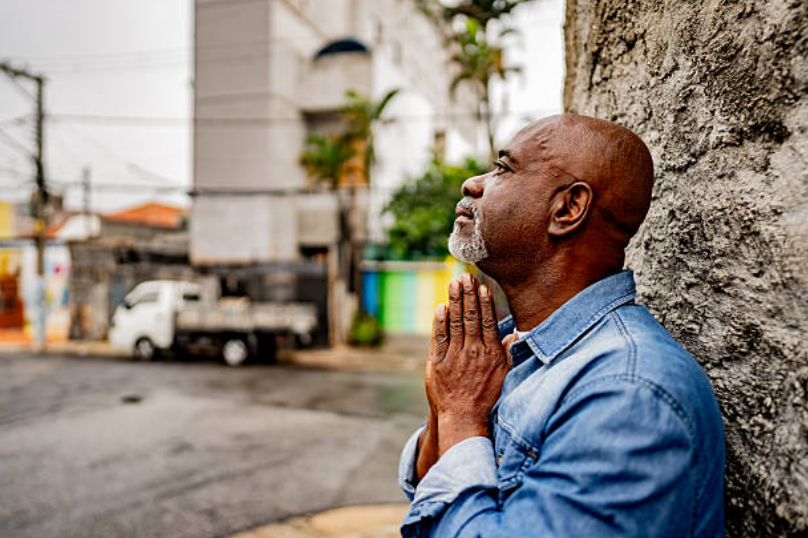
For many Christians, is it okay to doubt? This is a question that feels like a dirty word in many churches. We are taught to stand firm on His promises, but specifically, what happens when questions start to rise—when prayers go unanswered or when God feels silent? Is doubt a sign of weak faith—or could it be a step toward a deeper, more authentic belief?
In addition to these personal feelings, we must look at how spiritual history has treated the concept of questioning. Specifically, we can see that even the pillars of our faith were not immune to uncertainty.
In this article, we’ll explore what the Bible says about doubt, how Jesus responded to doubters, and why asking hard questions can actually lead to a more honest, resilient, and authentic faith.
The Reality of Doubt
Let’s be real: doubt is part of the human experience.
Even the strongest believers in the Bible wrestled with it. Think of:
- Abraham, who laughed at the promise of a son in old age (Genesis 17:17).
- Moses, who questioned whether God had chosen the right person to lead Israel (Exodus 3–4).
- Job, who poured out deep questions in the midst of suffering.
- Thomas, who famously said he wouldn’t believe in the resurrection without seeing Jesus for himself (John 20:25).
God didn’t reject these people for their doubts. In fact, He met them in the middle of their questions.
Doubt Is Not the Opposite of Faith
Many people think doubt means the absence of faith—but that’s not true.
The opposite of faith is unbelief, which in Greek (apeitheia) implies a stubborn refusal to be persuaded. In contrast, doubt (distazo) suggests being at a crossroads or having a divided mind. Consequently, doubting means you are still in the game, wrestling with the truth rather than walking away from it.
Tim Keller put it this way:
“A faith without some doubts is like a human body without any antibodies in it.”
A faith that has never been tested or questioned may not be strong enough to endure real life. It is through doubt that many people come to a more mature, thoughtful relationship with God.
Consequently, being honest about our struggles doesn’t push God away; rather, it creates an authentic space for Him to move. As a result, our relationship with the Creator becomes based on truth instead of a religious mask.
Jesus Welcomed Questions
When Thomas doubted the resurrection, Jesus didn’t shame him. He didn’t say, “You of little faith, get out.” Instead, He said:
“Put your finger here; see my hands. Reach out your hand and put it into my side. Stop doubting and believe.” (John 20:27)
Jesus met Thomas where he was, giving him what he needed to believe. God is not intimidated by your questions. He is patient, kind, and more than able to handle your wrestling.
If you are looking for more encouragement during your moments of uncertainty, explore our collection of inspiring quotes about God’s love and faithfulness.
The Psalms are full of raw, emotional prayers:
- “Why, Lord, do you stand far off?” (Psalm 10:1)
- “How long, Lord? Will you forget me forever?” (Psalm 13:1)
These aren’t signs of weak faith—they are signs of real faith, the kind that shows up even in confusion and pain.
For example, when we look at the interaction between Christ and the disciples, we see a pattern of patience. Similarly, God invites us today to bring our darkest questions into the light of His presence.
When Doubt Becomes Destructive
While doubt is not a sin in itself, how we handle it matters. If we allow doubt to isolate us from community, Scripture, and prayer, it can grow into cynicism, unbelief, or bitterness.
There’s a difference between honest doubt and prideful skepticism:
- Honest doubt says, “I want to believe—help me understand.”
- Prideful skepticism says, “I refuse to believe unless it fits my conditions.”
God honors humility. If you’re genuinely seeking truth, He promises to reveal Himself.
“You will seek me and find me when you seek me with all your heart.” (Jeremiah 29:13)
Faith Isn’t the Absence of Questions—It’s Trust Despite Them
Imagine standing on a bridge. You may feel unsure. You might not understand all the physics that keep the bridge from collapsing. But you walk across anyway. That’s faith.
Faith doesn’t always mean having certainty—it means trusting God even when we don’t have all the answers.
Hebrews 11:1 defines faith as:
“Confidence in what we hope for and assurance about what we do not see.”
You can have questions and still walk with Jesus. In fact, you must.
How to Navigate Doubt in a Healthy Way
If you’re going through a season of doubt, here are some practical ways to move forward:
- Be honest with God. He already knows your heart. Pray with raw honesty, like David or Job.
- Stay in community. Talk with trusted believers who won’t judge you. You’re not alone.
- Return to Scripture. Read stories of others who doubted and see how God responded.
- Write it down. Journal your questions and thoughts. God often speaks in the process.
- Seek wise counsel. Don’t isolate yourself. Sometimes clarity comes through conversation.
Testimonies From Doubt to Deeper Faith
Some of the strongest Christian voices today—pastors, authors, missionaries—have come through deep seasons of doubt.
- C.S. Lewis was an atheist before becoming one of the most influential Christian thinkers of the 20th century.
- Mother Teresa, in her private letters, shared decades-long struggles with spiritual dryness and the seeming silence of God. This experience is often called the ‘Dark Night of the Soul,’ a term coined by the 16th-century mystic St. John of the Cross. Specifically, it describes a period of spiritual purgation where God feels absent, yet the soul’s longing for Him grows even stronger.
- John the Baptist, who once declared Jesus as the Lamb of God, later asked from prison, “Are you the one who is to come, or should we expect someone else?” (Matthew 11:3)
These stories remind us: doubt is not the end of faith—it can be the beginning of something deeper.
Doubt is often loudest when we cannot hear His voice. If you feel like you are in a quiet season, check out my guide on what to do when God feels silent.
Final Thoughts: Doubt Can Be a Doorway
Instead of fearing your doubts, let them drive you closer to God. He’s not afraid of your questions. He invites them.
Doubt can either lead you to distance or to deeper discovery. Choose the path of humility, honesty, and hope. God doesn’t demand blind belief—He invites relationship, one that can stand even in the storms of uncertainty.
A Prayer for Those Who Doubt:
Lord, I confess that I don’t have all the answers. Sometimes I feel lost, confused, or uncertain. But I don’t want to run from You—I want to run toward You. Meet me in my doubt. Speak to my heart. Strengthen my faith. Show me that You are near, even when I can’t feel You. I believe—help my unbelief. In Jesus’ name, amen.