

Forgiveness is one of the most precious gifts Christians have been entrusted with. It is one of the clearest signs of God’s presence in our lives. Specifically, the journey of forgiveness and reconciliation is not merely the result of human effort; it is first and foremost a grace. However, every time a person forgives from the heart, it signals that God is acting within them. Therefore, we must explore this path as a means to inner freedom.
Forgiveness and Reconciliation
Medical research confirms that holding onto bitterness increases blood pressure and heart rate. Specifically, when we choose to forgive, our body’s stress response decreases. As a result, forgiveness is not just a spiritual duty, but a practical way to protect your physical health.
Forgiveness is one of the most precious gifts Christians have been entrusted with. It is one of the clearest signs of God’s presence in our lives. True forgiveness is not merely the result of great human effort; it is first and foremost a grace—a gift. Every time a person forgives from the heart, it is a sign that God is acting within them. It is a sign of spiritual maturity and inner freedom.
True forgiveness restores relationships, breaks chains of evil, and opens the door to peace. Forgiveness does not justify wrong, nor does it erase the past, but it allows us not to be controlled by it. Forgiveness frees the one who forgives. It is one of the key building blocks of marriage and family harmony.
Jesus’ call to forgive “seventy times seven” (Mt 18:22) is not a call to naïveté, but to a life without bitterness. When we forgive, we begin to resemble Christ, who forgave even those who crucified Him. Forgiveness is the path toward a renewed relationship—with God, with others, and with oneself.
Forgiveness from the Perspective of the Gospel
Jesus often spoke about forgiveness. In the Our Father, He clearly taught us to pray: “Forgive us our trespasses, as we forgive those who trespass against us.” (Mt 6:12) He connects God’s forgiveness with our willingness to forgive others.
Peter once asked Jesus how many times he should forgive. Seven times? Jesus responded with: “Not seven times, but seventy times seven.” (Mt 18:21–22) This doesn’t mean counting offenses. It means keeping the heart open to reconciliation.
In the parable of the unforgiving servant (Mt 18:23–35), Jesus shows how absurd it is to receive God’s unlimited forgiveness yet refuse to forgive others. Forgiveness is not just a moral duty; it is a response to God’s mercy.
Forgiving love is a sign of spiritual growth. The more we grow in love, the more we are capable of forgiving. Forgiveness does not mean agreeing with injustice. It means not allowing evil to have the last word.
How to Forgive Others?
Forgiving is not easy. It often requires prayer, time, and internal healing. Remember:
Forgiveness is a decision, not a feeling.
It is a process that sometimes takes time.
It does not always restore the relationship to its former state, but it does free the heart.
If you are struggling to forgive someone, ask the Holy Spirit for help. Pray for the person who hurt you—even if it is difficult. Forgiveness is not primarily an emotion, but an act of the will, which God’s grace later transforms into peace.
Forgiveness also means letting go of the right to revenge. It means acknowledging the pain, naming the hurt, and then consciously handing it over to God.
For example, you might start by simply praying for the person’s well-being. Moreover, this decision does not depend on your feelings, but on your commitment to live like Christ.
How to Forgive Yourself?
In the Catholic tradition, the Sacrament of Reconciliation is the ordinary way to experience God’s mercy. In addition, theologians call it the ‘second baptism’ because it restores our soul to a state of grace. Consequently, confessing your sins to a priest is not just about guilt, but about receiving the objective certainty that you are forgiven. To understand why forgiveness is so vital, we must first understand the weight of what is sin and how it separates us from God’s plan.
Some people find it hardest to forgive themselves. They carry guilt over past mistakes and failures.
But Jesus came not only to free us from the sins of others, but also from our own self-condemnation.
If you cannot forgive yourself, start here:
Admit your mistake before God.
Receive His forgiveness in the Sacrament of Reconciliation.
Accept God’s mercy as greater than your own failures.
Self-forgiveness does not mean irresponsibility. It means accepting yourself as someone loved by God, despite your imperfections.
How to Forgive in Marriage?
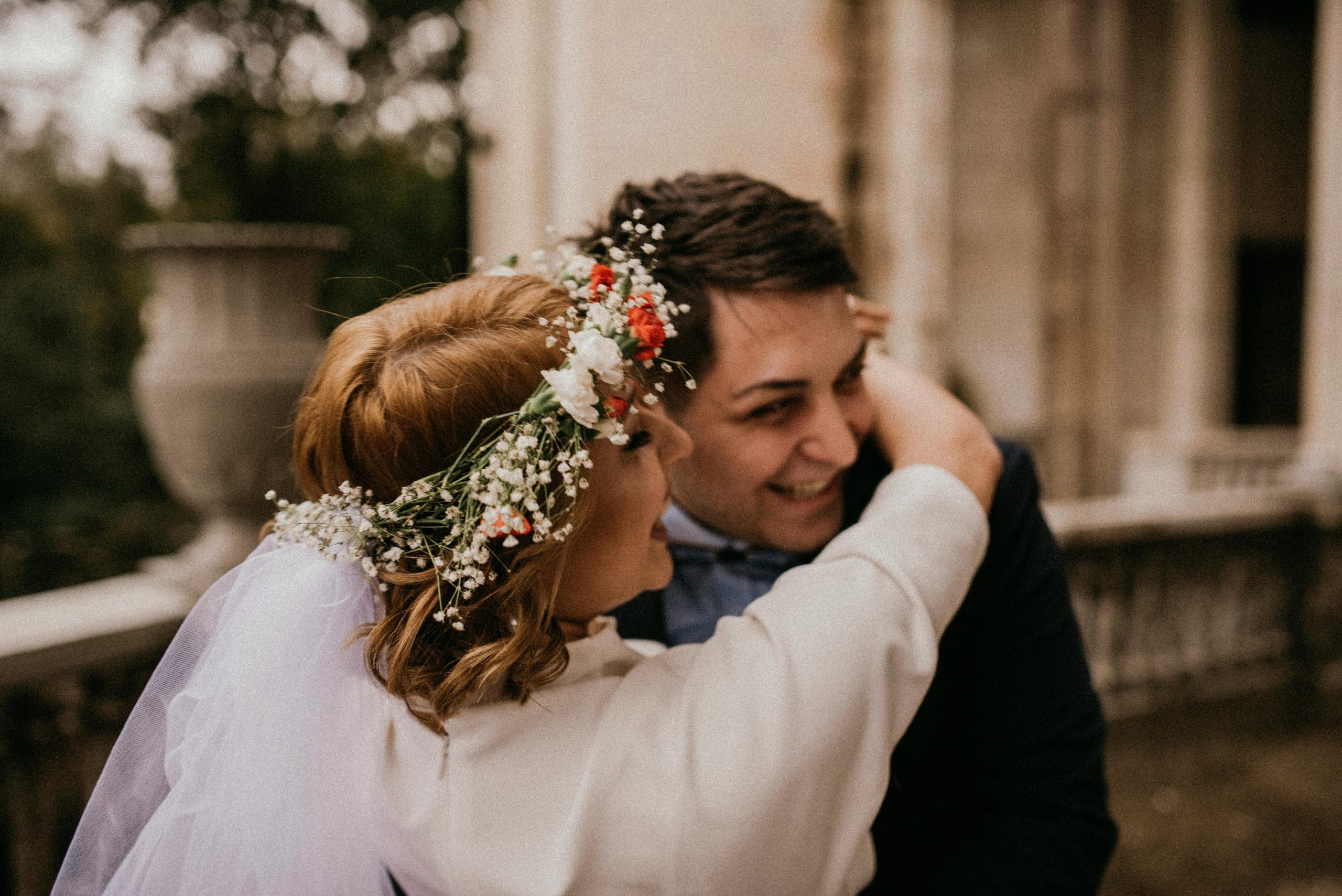
Marriage is a beautiful relationship, but also one where we inevitably hurt one another. Being close to someone means being vulnerable. Therefore, forgiveness is essential for every married couple.
Daily life brings many occasions for small and large misunderstandings. If these are not resolved, they accumulate and create emotional distance.
To forgive in marriage means:
To listen with the heart
To admit your mistake
To ask for forgiveness sincerely
To forgive without keeping score
Forgiveness in marriage is not weakness. It is strength that builds unity. Reconciliation is impossible without honest dialogue. Explore how communication as a path of love can help you express your hurts and your desire for peace.
On the other hand, keeping a record of wrongs creates a wall between spouses. Instead, choosing to apologize quickly prevents small seeds of resentment from growing into bitterness.
In summary, reconciliation is the bridge that leads us back to love. Ultimately, we forgive because we have first been forgiven by a God who loves us unconditionally.
PRAYER
“Lord, thank You for Your love and forgiveness. You know my heart and everything in it. Please heal my wounds, remove bitterness, and help me forgive those who have hurt me. Give me the courage to forgive myself and to accept Your mercy.
Teach me to forgive as You forgive—completely and sincerely. Let forgiveness restore broken relationships and bring peace to our family. May Your Spirit guide me on the path of reconciliation and may Your freedom fill my heart. Amen.”
QUESTIONS FOR REFLECTION
Are there people I find difficult to forgive? Why?
Do I carry unresolved bitterness in my heart?
How does my unwillingness to forgive affect my relationships?
How can I take a concrete step toward forgiveness today?
Do I ask God for the strength to forgive?
How can we as a couple strengthen the habit of mutual forgiveness?
Do I forgive myself, or do I cling to guilt unnecessarily?
What is one specific thing I can do today to contribute to reconciliation?
ACTIVITY FOR COUPLES
Choose a quiet evening.
Sit together and talk openly about things that have hurt you recently.
Listen without interrupting.
Ask each other for forgiveness for specific things.
End with a short prayer asking God for peace and unity.