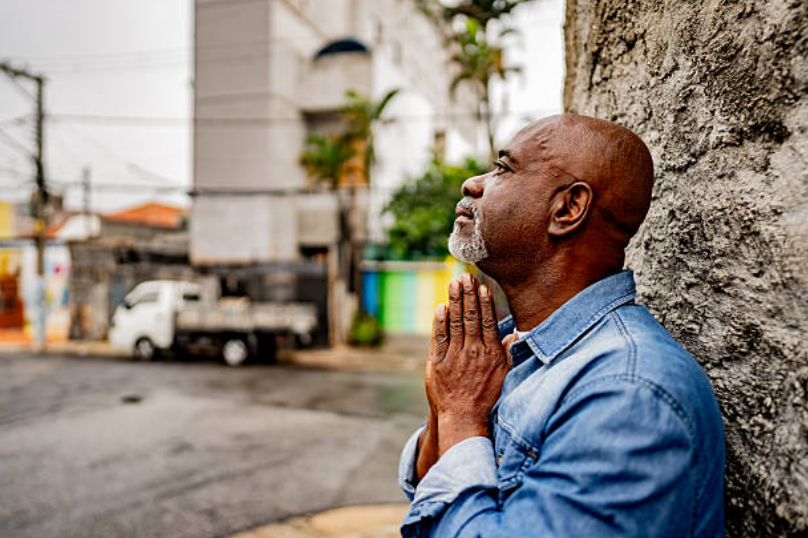


Mental health has become an increasingly important topic in today’s world. Anxiety, depression, stress, and other emotional struggles affect millions of people globally, cutting across age, gender, and social status. For Christians, navigating mental health challenges can sometimes feel complex. How do we reconcile our faith in God with psychological science? Can prayer and scripture coexist with therapy and medication? The good news is that faith and modern psychology can complement each other, guiding believers toward holistic well-being.
Understanding Mental Health Through a Christian Lens
Christianity recognizes the entirety of the human experience—body, mind, and spirit. Scripture offers comfort and guidance in moments of emotional distress. Psalm 34:18 reminds us, “The Lord is close to the brokenhearted and saves those who are crushed in spirit.” This verse acknowledges human suffering while pointing to God’s presence as a source of hope and healing.
Modern psychology, on the other hand, provides tools to understand the workings of the mind, identify patterns of thought and behavior, and develop strategies for coping with life’s challenges. Integrating faith with psychological approaches doesn’t diminish spiritual reliance; rather, it equips believers to address mental health proactively while leaning on God for guidance.
Faith Practices That Support Mental Health
Several spiritual practices can positively impact mental well-being:
Prayer and Meditation
– Consistent prayer allows individuals to release worries and focus on God’s guidance. Christian meditation, reflecting on scripture or God’s promises, helps reduce stress, fosters inner peace, and strengthens resilience against negative thoughts.
As we discussed in our guide on Hearing God Through Scripture and Silence, stillness is where the mind finds its deepest rest.Community Support
– Churches and small groups offer emotional and spiritual support. Sharing struggles with fellow believers encourages accountability, understanding, and compassion, which are essential for mental health recovery. Moreover, healthy mental states are often maintained through honest dialogue and vulnerability. This is why communication as a path of love is a vital skill for every believer struggling with isolation.
Scripture Reflection
– Verses like Philippians 4:6-7 (“Do not be anxious about anything, but in everything, by prayer and petition, with thanksgiving, present your requests to God. And the peace of God, which transcends all understanding, will guard your hearts and minds in Christ Jesus”) remind believers to cast their anxieties onto God, fostering a sense of peace and security.
Journaling and Gratitude Practices
– Recording daily blessings or God’s faithfulness can shift perspective from negative patterns to a more hopeful outlook. Gratitude nurtures mental resilience and spiritual growth simultaneously.
Integrating Psychology and Spirituality
Faith and psychology need not be in conflict. Professional therapy, counseling, or medication can coexist with prayer and spiritual guidance. Cognitive-behavioral techniques, mindfulness, and talk therapy provide practical tools, while prayer, worship, and pastoral support offer spiritual reinforcement.
First of all, it is important to understand that the human brain is a masterpiece of divine engineering, designed for both spiritual connection and biological health. For instance, modern neuroscience has discovered the concept of neuroplasticity, which aligns perfectly with the biblical mandate in Romans 12:2 about the ‘renewing of the mind.’ Specifically, repeated spiritual practices like gratitude and meditation have been scientifically proven to strengthen the prefrontal cortex, the area of the brain responsible for emotional regulation.
Furthermore, the history of
the Church shows that faith and science were rarely seen as enemies. Indeed, many early Christian thinkers viewed the care of the soul (cura animarum) as a precursor to modern psychology. Consequently, by integrating professional therapy with spiritual guidance, we are not abandoning our faith. Instead, we are utilizing the full spectrum of tools God has provided—both the supernatural peace of the Holy Spirit and the biological wisdom of medical science. As a result, this combined approach creates a much more stable foundation for long-term emotional recovery.
Recognizing Red Flags and Seeking Help
Sometimes, mental health challenges require professional intervention. Persistent sadness, panic attacks, or thoughts of self-harm should never be ignored. Christians are encouraged to reach out to qualified psychologists, psychiatrists, or licensed counselors, and simultaneously seek spiritual support through prayer, pastoral counseling, or church communities.
Supporting friends or family members with mental health struggles also involves both compassion and knowledge. Listening without judgment, encouraging professional help, and praying alongside them are tangible ways believers can provide meaningful assistance.
A Holistic Approach to Healing
Christianity and mental health integration emphasizes a holistic approach: treating the mind, nourishing the spirit, and caring for the body. Exercise, proper sleep, nutrition, and meditation combined with prayer, scripture study, and fellowship create a well-rounded framework for mental resilience.
Moreover, this approach challenges believers to understand God’s design of humanity. We are emotional, rational, and spiritual beings, and God provides resources—both divine and practical—to maintain balance and well-being.
Stories of Faith and Recovery
Countless believers have found strength in integrating their faith with mental health practices. Stories of overcoming anxiety through prayer and therapy, or battling depression with pastoral support and cognitive-behavioral strategies, highlight that seeking help is not shameful but an act of obedience to God’s call to stewardship over our lives.
These testimonies inspire hope: that God’s presence, when paired with practical interventions, can bring restoration, resilience, and renewed purpose.
Conclusion
Christianity and mental health are not opposing forces; rather, they complement each other in guiding believers toward holistic wellness. Through prayer, scripture, supportive community, and modern psychological approaches, Christians can navigate life’s emotional challenges with faith and wisdom.
Romans 12:2 encourages us: “Do not conform to the pattern of this world, but be transformed by the renewing of your mind. Then you will be able to test and approve what God’s will is—his good, pleasing and perfect will.” By renewing both mind and spirit, believers embrace the fullness of God’s plan for their lives: peace, resilience, and hope.