

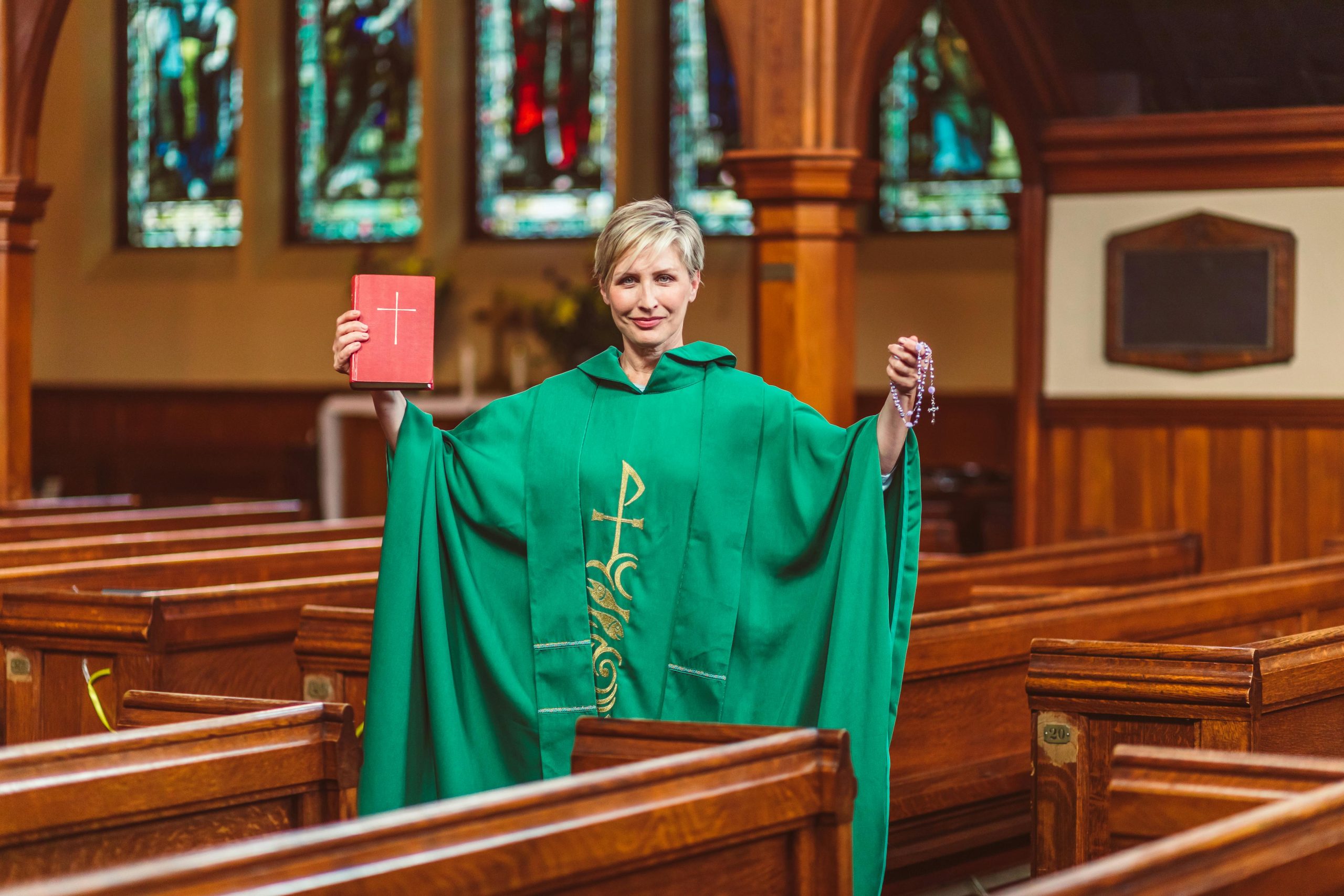
The question of women in church leadership is one of the most discussed topics in modern Christianity. Across denominations and communities, believers are examining biblical texts, traditions, and cultural norms to understand the role of women in ministry. While some churches maintain traditional interpretations, others embrace a more progressive approach, allowing women to serve as pastors, elders, and leaders in various capacities.
Many of these women demonstrate that leadership is not just a title but a vocation. Whether in the church or the secular world, being a woman of faith means finding Christ in the workplace and reflecting His light through our daily professional actions.
Biblical Foundations
The Bible provides examples of women playing pivotal roles in God’s mission. Figures such as Deborah, a judge and prophetess in Israel, and Priscilla, who taught Apollos in the New Testament, demonstrate that women were active participants in spiritual leadership. In Galatians 3:28, Paul emphasizes unity in Christ: “There is neither Jew nor Greek, slave nor free, male nor female, for you are all one in Christ Jesus.” This verse is often cited by churches advocating for gender equality in ministry.
At the same time, certain passages, particularly in the letters of Paul, have traditionally been interpreted to limit formal leadership roles for women. Churches vary widely in how they understand these texts, leading to diverse practices worldwide.
In addition to these well-known figures, historical and biblical records highlight other influential women. For example, in Romans 16:1, Paul introduces Phoebe as a ‘deacon’ (diakonos) of the church in Cenchreae, a title that implies a recognized leadership role. Similarly, he greets Junia in Romans 16:7, referring to her as ‘outstanding among the apostles.’ Furthermore, early church history reveals that women like Lydia, the first convert in Europe, hosted and led house churches in their own homes. Consequently, these historical examples provide a strong foundation for the argument that women have been indispensable to the expansion of Christianity since its very beginning. Indeed, archaeological evidence from early Christian catacombs often depicts women in positions of prayer and leadership, suggesting their roles were more prominent than often assumed in later centuries.
Progressive Perspectives
Many contemporary Christian communities interpret scripture in a way that supports full inclusion of women in leadership. These churches emphasize spiritual gifting over gender, arguing that God equips both men and women to serve according to His calling. Women may serve as senior pastors, worship leaders, teachers, and administrators, contributing to the growth and vitality of the congregation.
One notable example is the Evangelical Lutheran Church in America, where women have been serving as pastors for decades. Similarly, many Baptist, Methodist, and Pentecostal congregations have embraced women in top leadership roles, recognizing their unique gifts and perspectives. Advocates highlight that inclusive leadership not only reflects biblical principles of equality but also strengthens the church community by bringing diverse experiences and insights to ministry.
Traditional Perspectives
Conversely, some denominations maintain traditional interpretations of biblical texts, limiting the role of women in formal church leadership. These churches may allow women to teach, serve in ministry teams, or engage in charitable and educational programs, but restrict pastoral or elder roles to men.
Supporters of this view often argue that distinct roles for men and women are ordained by God, not as a sign of inequality but as a reflection of divine order. They stress the importance of honoring these roles while encouraging women to serve faithfully in the capacities God has entrusted to them.
Challenges and Opportunities
Women pursuing leadership in the church often encounter both practical and spiritual challenges. Cultural expectations, skepticism, and internal resistance can create barriers, requiring resilience and discernment. At the same time, churches that embrace women in leadership see remarkable benefits: increased participation, fresh perspectives, and a sense of belonging for all members.
Mentorship programs, training opportunities, and supportive networks are crucial for helping women thrive in ministry. Communities that foster open dialogue, respect differing interpretations, and prioritize collaboration tend to cultivate leaders who are both confident and spiritually grounded.
Overcoming internal resistance and cultural skepticism requires immense spiritual strength. Women in ministry often find their power by walking in courage and overcoming fear through the specific promises God has given them.
Real-Life Examples
Across the world, women in ministry are making profound impacts. In some African countries, women pastors lead vibrant congregations despite societal norms that traditionally limit female authority. In the United States and Europe, women have pioneered outreach programs, social justice initiatives, and educational ministries, demonstrating that leadership extends far beyond administrative duties—it is about nurturing faith and fostering community.
Stories of women balancing family responsibilities, ministry demands, and personal spiritual growth are particularly inspiring. They remind the global church that leadership is not merely a title; it is a vocation, a calling to serve God and others faithfully.
Moving Forward: Unity and Respect
The discussion about women in church leadership invites the broader Christian community to consider how faith, scripture, and culture intersect. Regardless of differing views, unity and mutual respect remain central. Ephesians 4:2-3 reminds us: “Be completely humble and gentle; be patient, bearing with one another in love. Make every effort to keep the unity of the Spirit through the bond of peace.”
Churches navigating these questions can focus on shared mission—proclaiming the Gospel, serving the needy, and nurturing discipleship—while respecting the diverse ways God equips His people. By valuing each person’s gifts, whether male or female, the church becomes a stronger reflection of Christ’s love and inclusive nature.
Conclusion
Women in church leadership today exemplify faith, courage, and service. Across the spectrum of Christian communities, from progressive to traditional, the conversation continues, challenging believers to engage thoughtfully with scripture, tradition, and contemporary culture.
Ultimately, the role of women in ministry is not just about positions or titles; it is about faithfully following God’s call, empowering others, and building communities that reflect His love. Whether in teaching, preaching, mentoring, or serving, women’s contributions remain indispensable, reminding the world that God’s work transcends gender and that His Spirit equips all who are willing to serve.